
The pilot worked. The equipment ran. The data looked promising. The customer team was engaged. Yet months later, no purchase order has arrived.
This is a familiar frustration for technology suppliers. The organisation treats the pilot as the final proof required for a sale, while the customer may have treated it as one step in a much larger evaluation.
A pilot can succeed technically and still fail commercially because it answers only a portion of the customer's adoption question.
A pilot has to test the right uncertainty
A demonstration usually asks whether a product can perform a defined task under selected conditions. An industrial pilot should go further. It should help determine whether the solution can produce a valued outcome in the customer's actual operating context and whether the customer can adopt it within its commercial and organisational constraints.
The difference matters. A machine may achieve target throughput during a controlled trial but require maintenance support the customer cannot access. A software system may generate useful recommendations but fail to integrate with existing production records. A new material may perform well in samples but require a qualification process that affects the customer's production schedule.
These are not necessarily technical failures. They are unresolved adoption conditions.
Five gaps that commonly remain
1. The economic case is vague. The pilot measures performance but does not translate it into cost, yield, downtime, labour, quality or risk impact. The customer cannot compare the benefit with the full cost of adoption.
2. The decision-maker is absent. The pilot is sponsored by a technical champion, but the budget owner, procurement team or operational leader has not agreed what result would justify a purchase.
3. Integration is outside the scope. The solution works in isolation but has not been tested against the customer's equipment, data, process, safety or quality requirements.
4. The path to qualification is unclear. The customer does not know what evidence, documentation or repeatability is required before the solution can be approved for use.
5. The next commitment is undefined. The pilot ends with a presentation rather than a decision gate. There is no agreed owner, commercial proposal, timeline or condition for proceeding.
Design the pilot backwards from the purchase decision
Before starting, agree on the decision the pilot is intended to inform. Identify the customer outcome, baseline, measurement method, operating conditions and acceptance criteria. Involve the people who will evaluate the result and the people who control adoption.
The pilot plan should also state what happens if the evidence is positive. Will the customer begin qualification? Approve a limited deployment? Issue a commercial request? Expand to another production line? Each step requires different evidence and authority.
This is not about forcing a purchase at the end of a trial. It is about ensuring that both parties understand what the pilot can prove and what decision follows from each possible result.
Separate technical success from commercial readiness
At the close of a pilot, assess the two independently. Technical success asks whether the solution performed to specification. Commercial readiness asks whether the customer has an accepted business case, an adoption pathway, a purchasing owner and confidence in delivery.
If technical success is high and commercial readiness is low, the next action is not automatically another demonstration. It may be stakeholder engagement, economic analysis, integration work or qualification planning.
The strategic implication
A pilot should be designed as a decision instrument, not as a ceremonial demonstration. Its purpose is to reduce the uncertainties that stand between customer interest and a commitment.
The question to ask before any pilot is: “At the end of this exercise, what decision will the customer be better equipped to make—and what evidence will that decision require?”
Related reading
- The Technical Milestone Is Not the Commercial Milestone
- What Must Be True Before You Commit Capital?
Continue exploring this collection: Execution — Sustaining the Advantage
Browse all articles · Ideas & Insights
Interested in the decisions behind technology-led growth? Explore Work With Me →
Continue reading in this collection
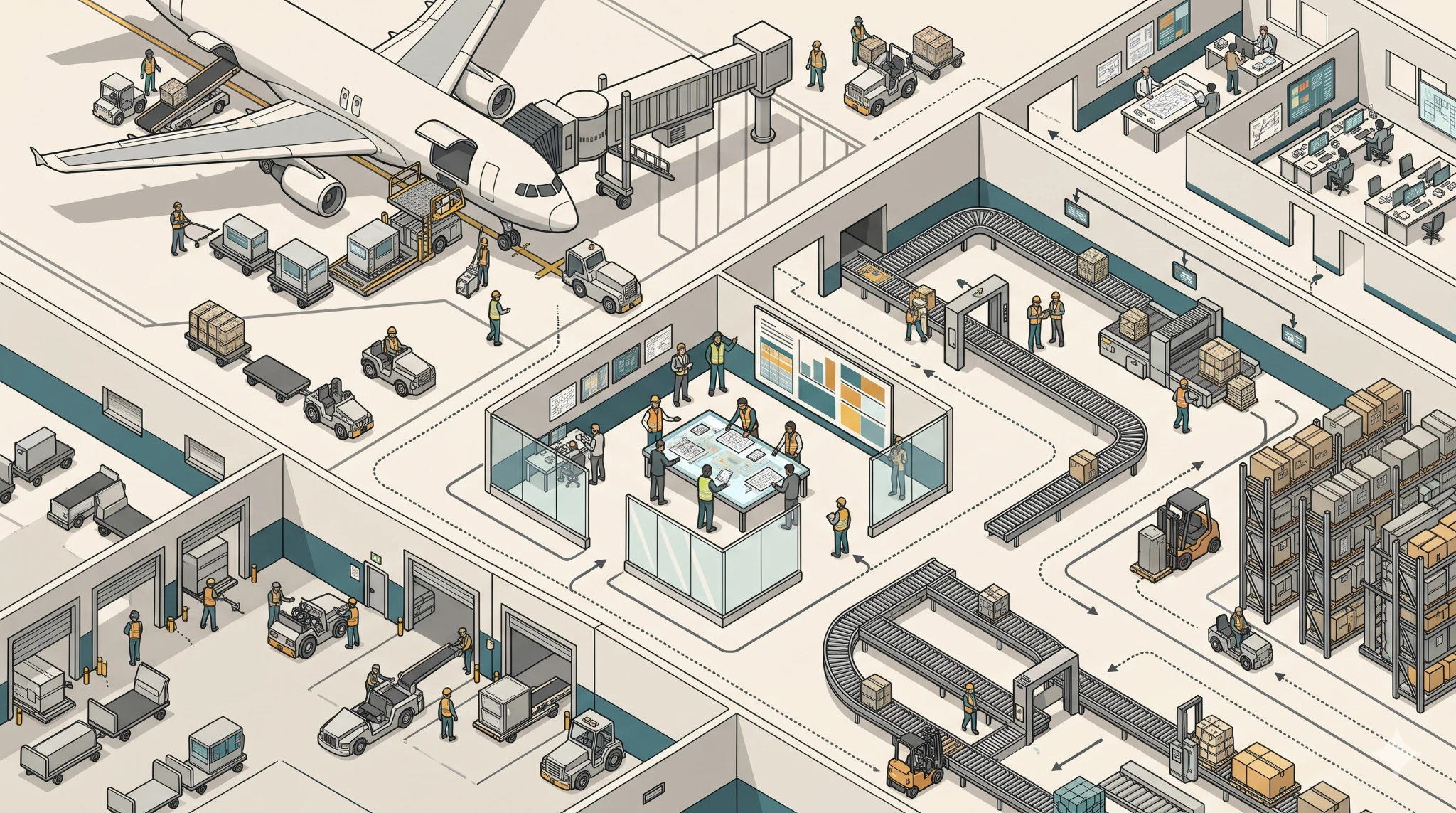
Build an Operating Rhythm That Converts Strategy into Results
A strategic operating rhythm connects milestones, evidence, accountability and resource decisions so leaders can adapt execution as conditions change.
Read article →
The Execution Gap Usually Begins with a Missing Decision
When priorities, ownership or authority remain unresolved, more activity cannot compensate for the decisions the organisation has not made.
Read article →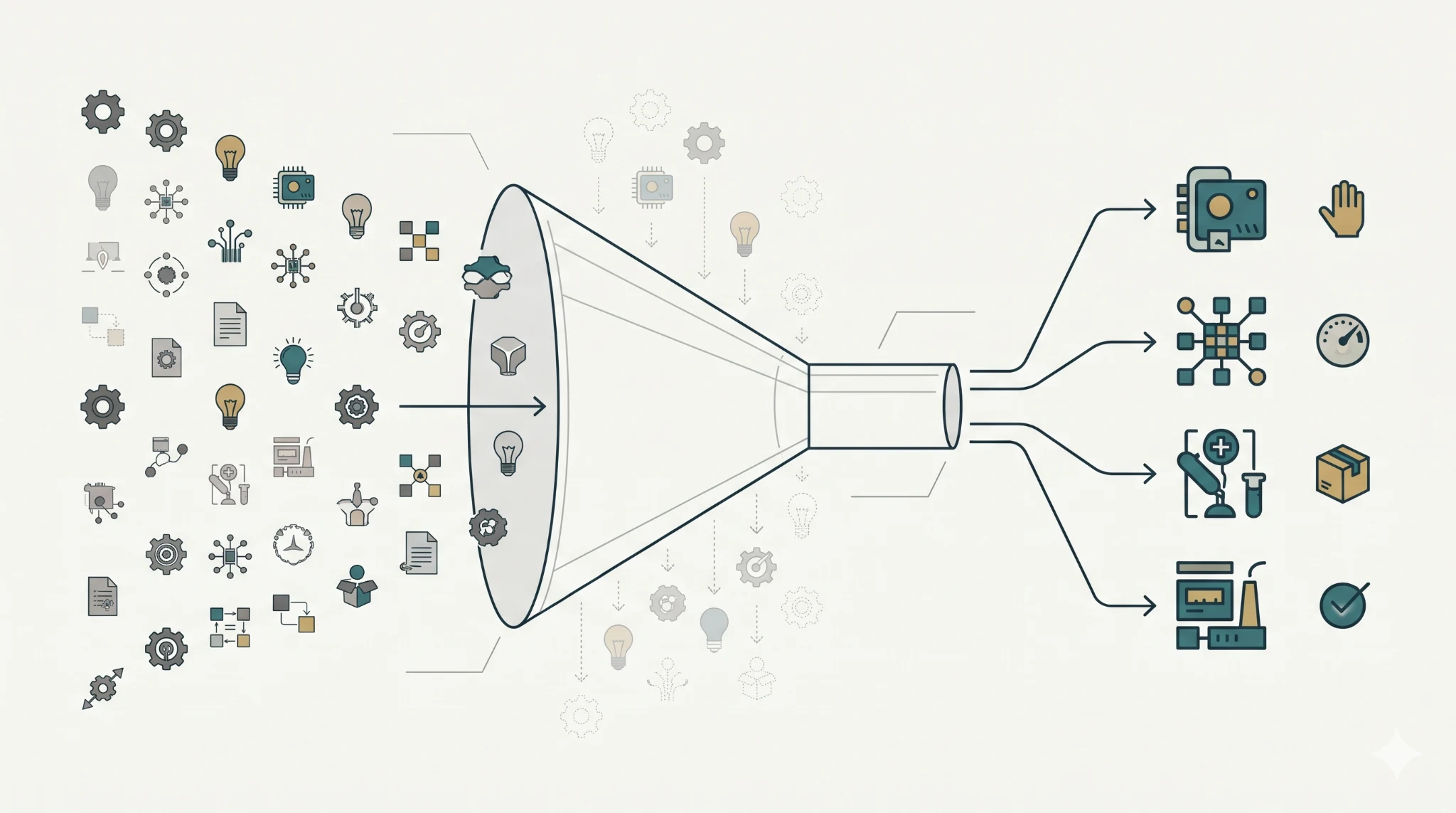
From 30 Ideas to 3–5 High-Value Growth Opportunities
Narrowing a broad idea set requires a common evaluation logic that tests customer value, strategic fit, capability, economics and evidence.
Read article →