
A leadership team asks for more research before making a strategic decision. The organisation gathers market reports, competitor information, customer interviews, technical benchmarks and financial models. The presentation grows longer, the data room fills up and the decision remains unresolved.
The problem may not be insufficient information. It may be that the research is not connected to the uncertainty that would change the decision.
More data does not automatically mean less uncertainty.
Information and evidence are not the same thing
Information describes something. Evidence supports or challenges a specific claim that matters to a decision.
A large market estimate may describe the total opportunity but say little about whether the business can reach the relevant buyers. A list of competitor products may describe the market but not reveal why customers would change suppliers. A technical benchmark may demonstrate performance without establishing adoption or willingness to pay.
The information can be correct and still be weak evidence for the decision being considered.
Start with the decision, then identify the uncertainty
Before commissioning research, state the decision precisely. Is the business deciding whether to enter a market, invest in capacity, acquire a company, develop a product or stop an initiative?
Then identify the assumptions that could change the answer. If the question is market entry, the critical uncertainty may be access to the budget owner, the qualification cycle or the ability to deliver locally. General market size data may not resolve any of these.
The research plan should be built around those uncertainties. Each activity should have a reason: what claim is it testing, what evidence could change the view and what decision will follow?
Match the method to the question
Customer interviews can reveal workflows, pain points and buying dynamics, but stated interest is not the same as a purchase commitment. A technical trial can test performance, but it may not validate commercial adoption. Competitor analysis can identify alternatives, but customer switching behaviour may require direct investigation. Financial modelling can examine scenarios, but it cannot make unsupported assumptions true.
Different methods produce different kinds of evidence. Combining them is useful when the methods address distinct parts of the decision rather than simply repeating the same conclusion in different formats.
Know when additional research has diminishing value
Research should stop or change when it no longer reduces a material uncertainty, when the next evidence is too costly relative to the decision or when the organisation has enough information to make a bounded, reversible commitment.
There are also cases where evidence cannot resolve uncertainty before action. A market may be too new for reliable historical data. The appropriate response may be a small experiment, not another report.
Make uncertainty visible
A good decision document separates established facts, informed estimates, assumptions and unknowns. It shows which conclusions are sensitive to a particular assumption and what the organisation can do to test it.
This discipline prevents confident charts from concealing weak foundations. It also helps leaders decide where to spend the next research rupee or the next week of management attention.
The strategic implication
The objective of research is not to eliminate every unknown or produce the thickest possible evidence pack. It is to improve a specific decision.
The leadership question is: “Which uncertainty could change our decision, and what is the least costly credible evidence that would help us resolve it?”
Related reading
Continue exploring this collection: Resilience — Confluence of Capabilities
Browse all articles · Ideas & Insights
Interested in the decisions behind technology-led growth? Explore Work With Me →
Continue reading in this collection

Preserve Optionality: Stage Gates, Reversibility and Commitment
Staged investment and reversible decisions allow leaders to learn before making large commitments, while protecting the ability to change direction.
Read article →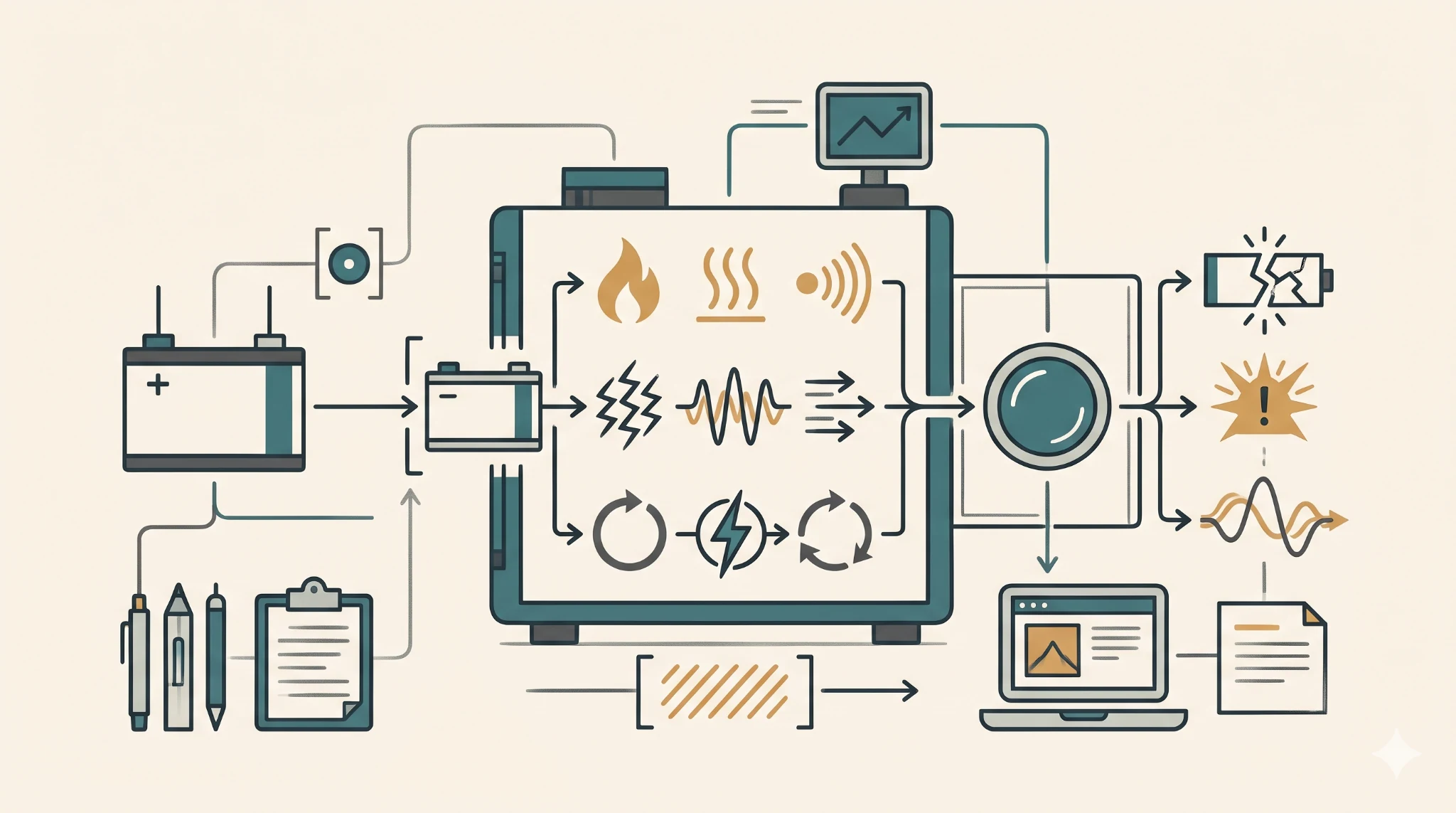
Design Experiments to Kill Assumptions, Not Confirm Them
Design experiments to expose the assumptions that could invalidate an idea before committing more time, money and capacity.
Read article →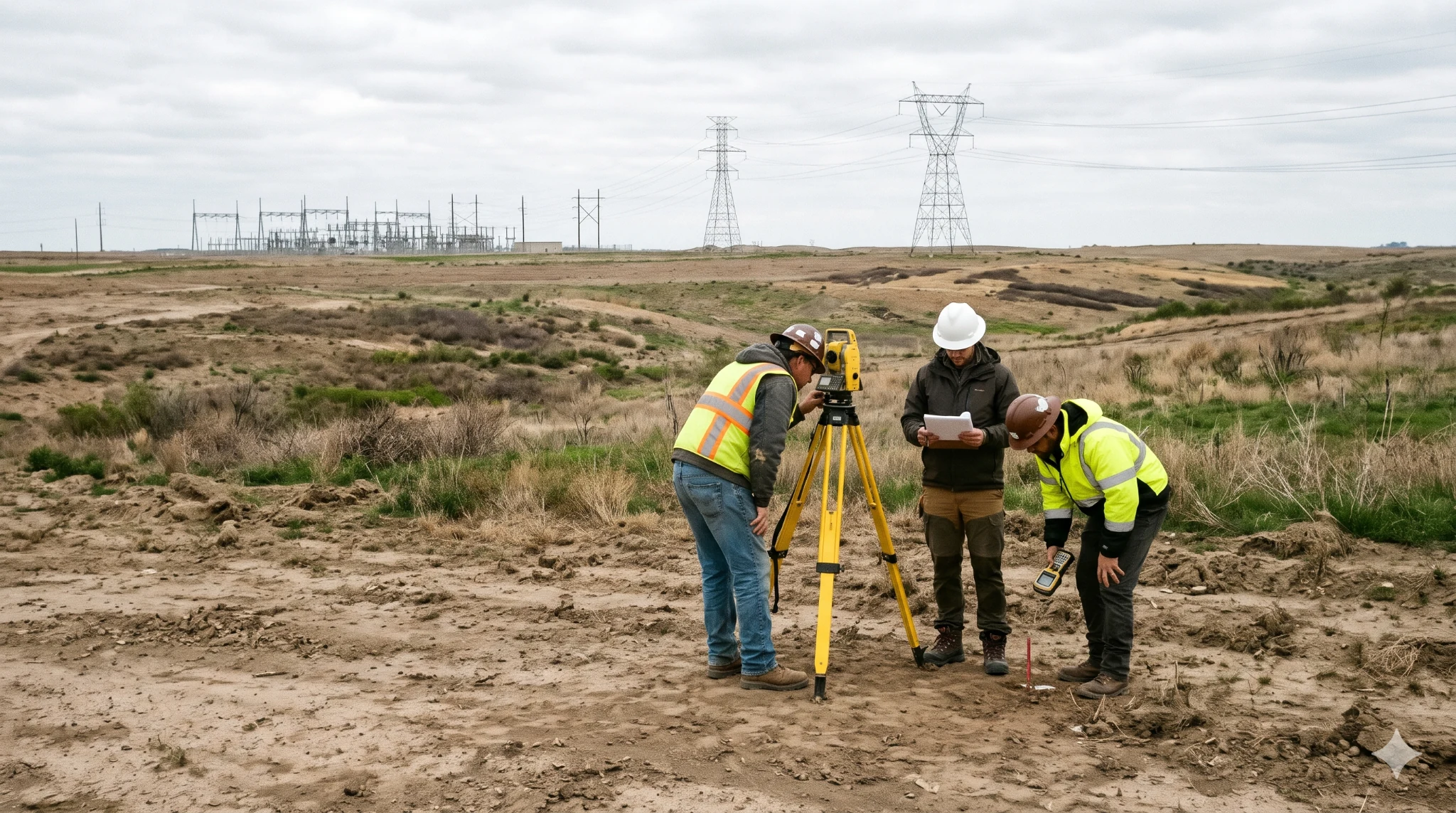
What Must Be True Before You Commit Capital?
A capital decision becomes more rigorous when leaders state the conditions that must hold for the investment thesis to work and identify evidence for each one.
Read article →