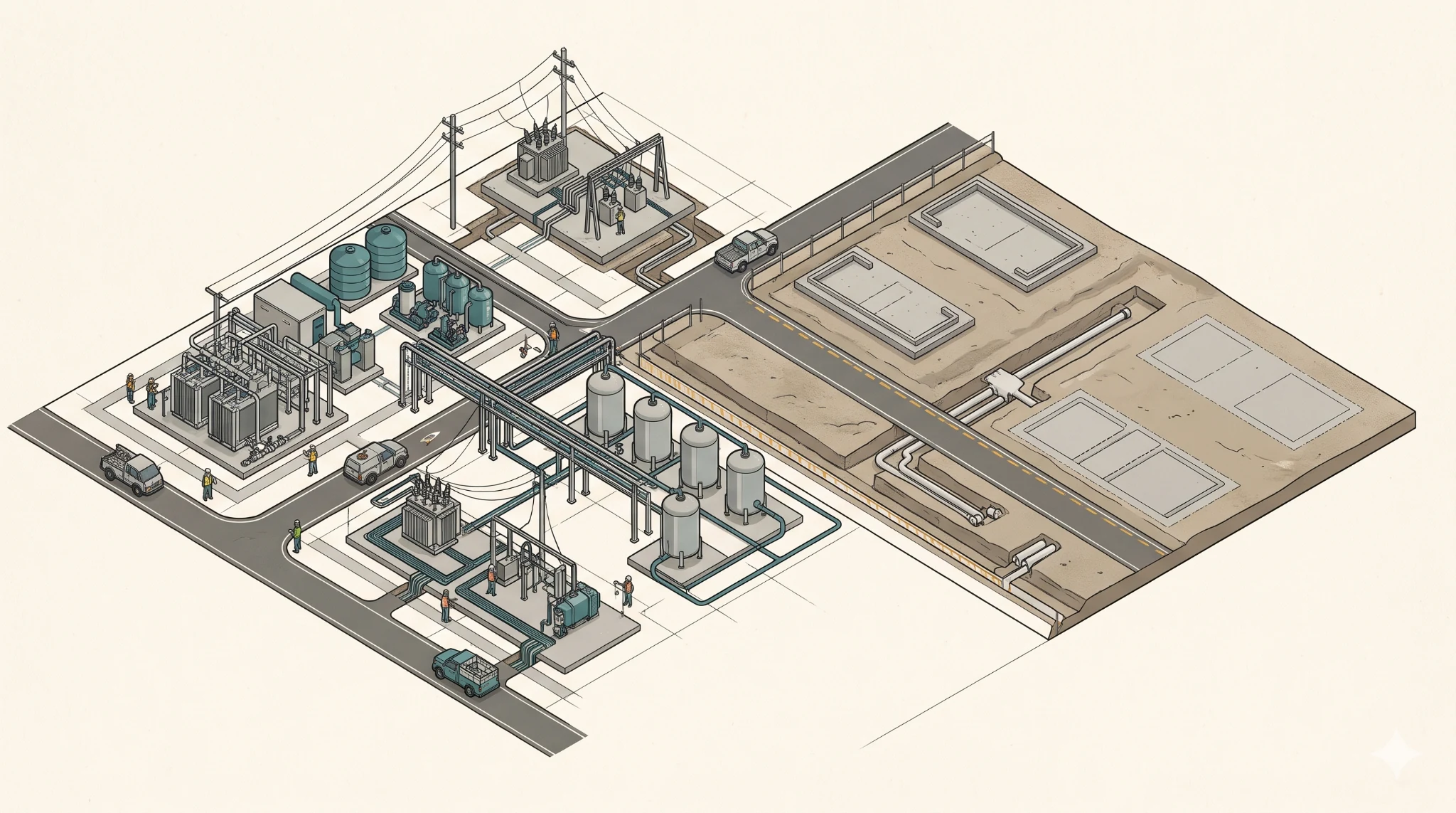
Preserve Optionality: Stage Gates, Reversibility and Commitment
Staged investment and reversible decisions allow leaders to learn before making large commitments, while protecting the ability to change direction.
Read article →Resilience
Moving beyond early growth. Why enduring enterprises require interconnected systems and choices.
Staged investment and reversible decisions allow leaders to learn before making large commitments, while protecting the ability to change direction.
Read article →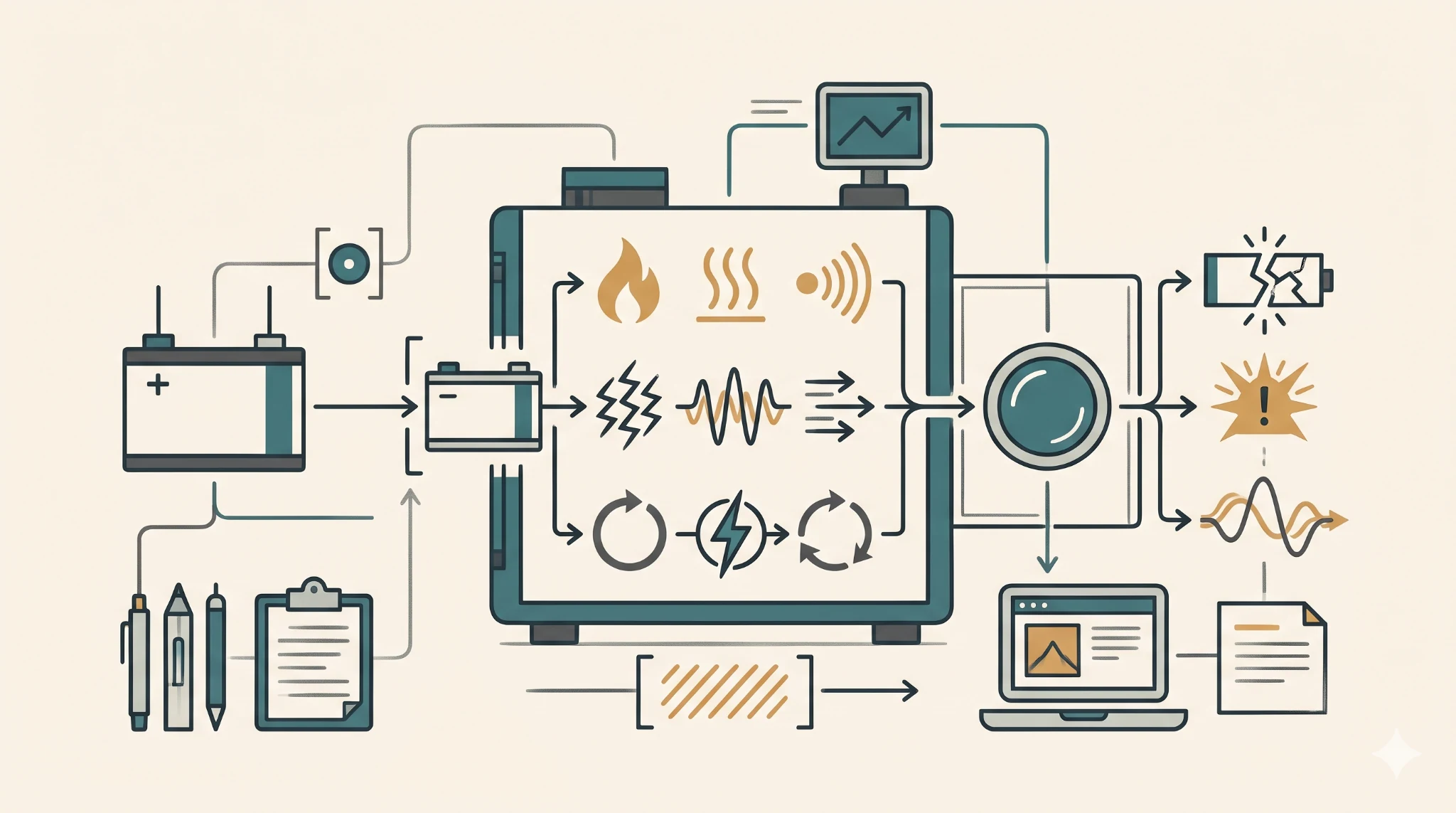
Design experiments to expose the assumptions that could invalidate an idea before committing more time, money and capacity.
Read article →
More research can create the appearance of rigour without resolving the assumptions that matter. Good evidence is decision-relevant, not merely abundant.
Read article →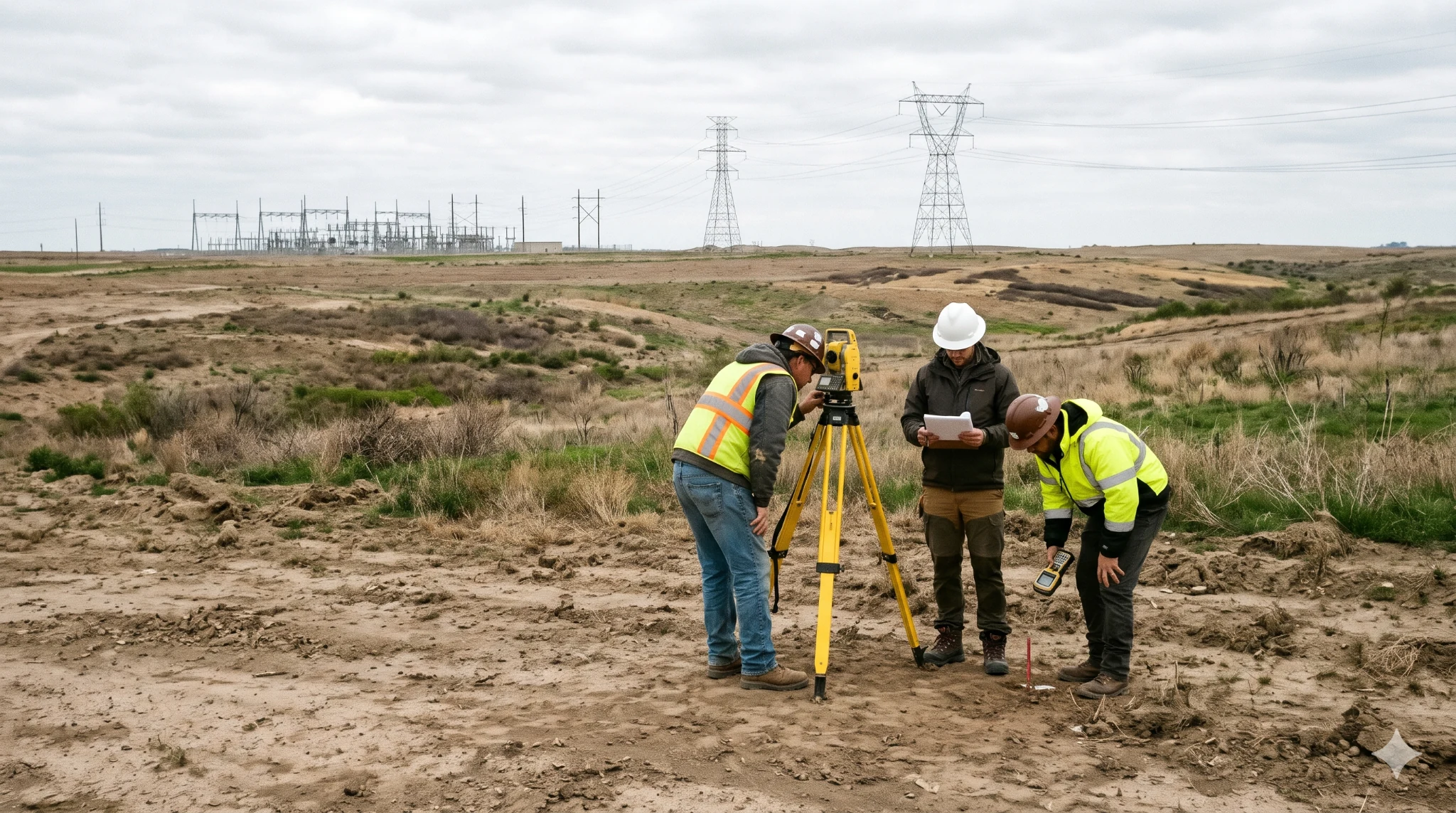
A capital decision becomes more rigorous when leaders state the conditions that must hold for the investment thesis to work and identify evidence for each one.
Read article →
Strategic decisions should be judged by the reasoning and evidence available at the time, not only by outcomes that may be influenced by uncertainty.
Read article →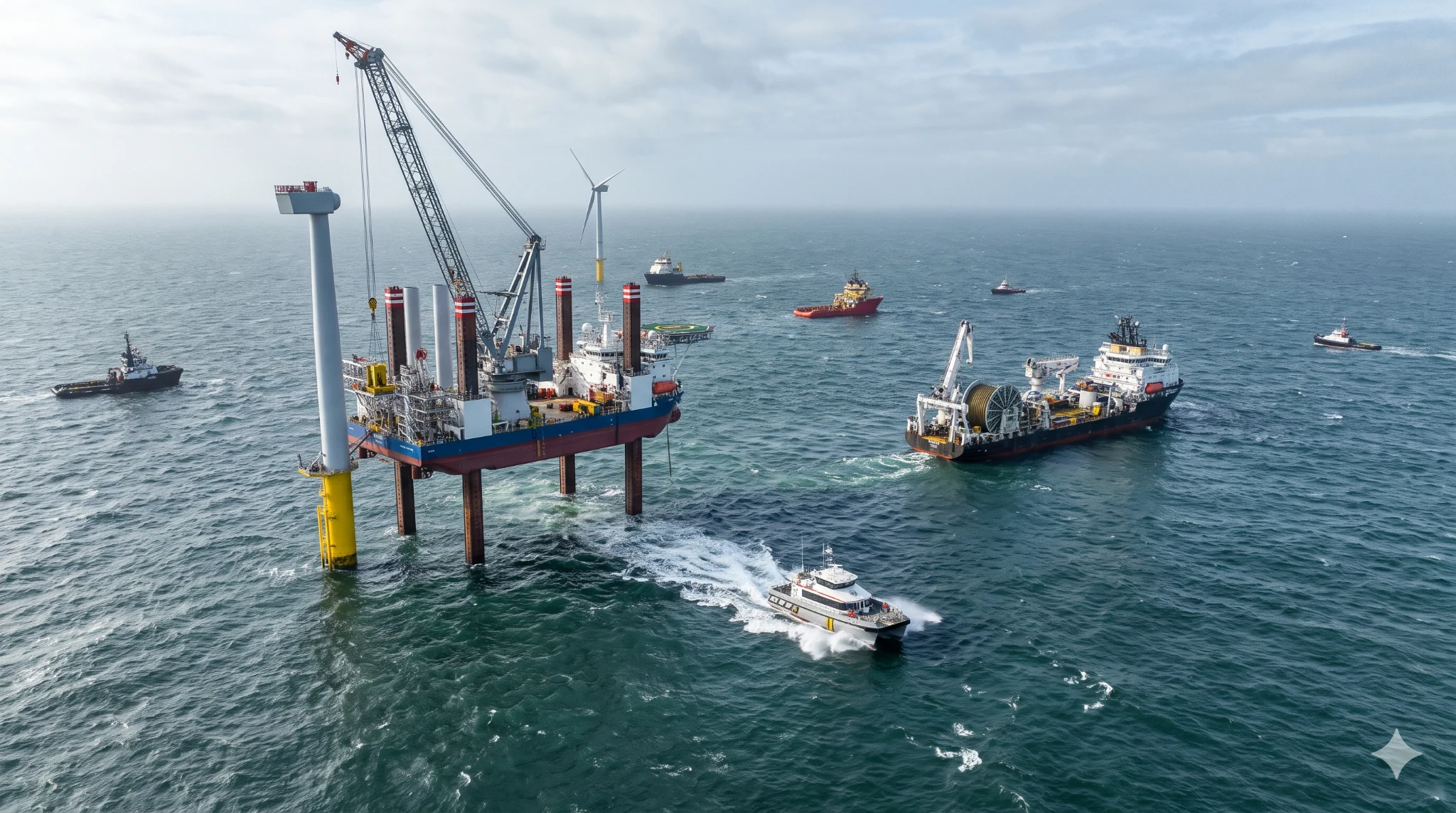
The combination of engineering, customer access, manufacturing, data and service can create an advantage that no single capability produces alone.
Read article →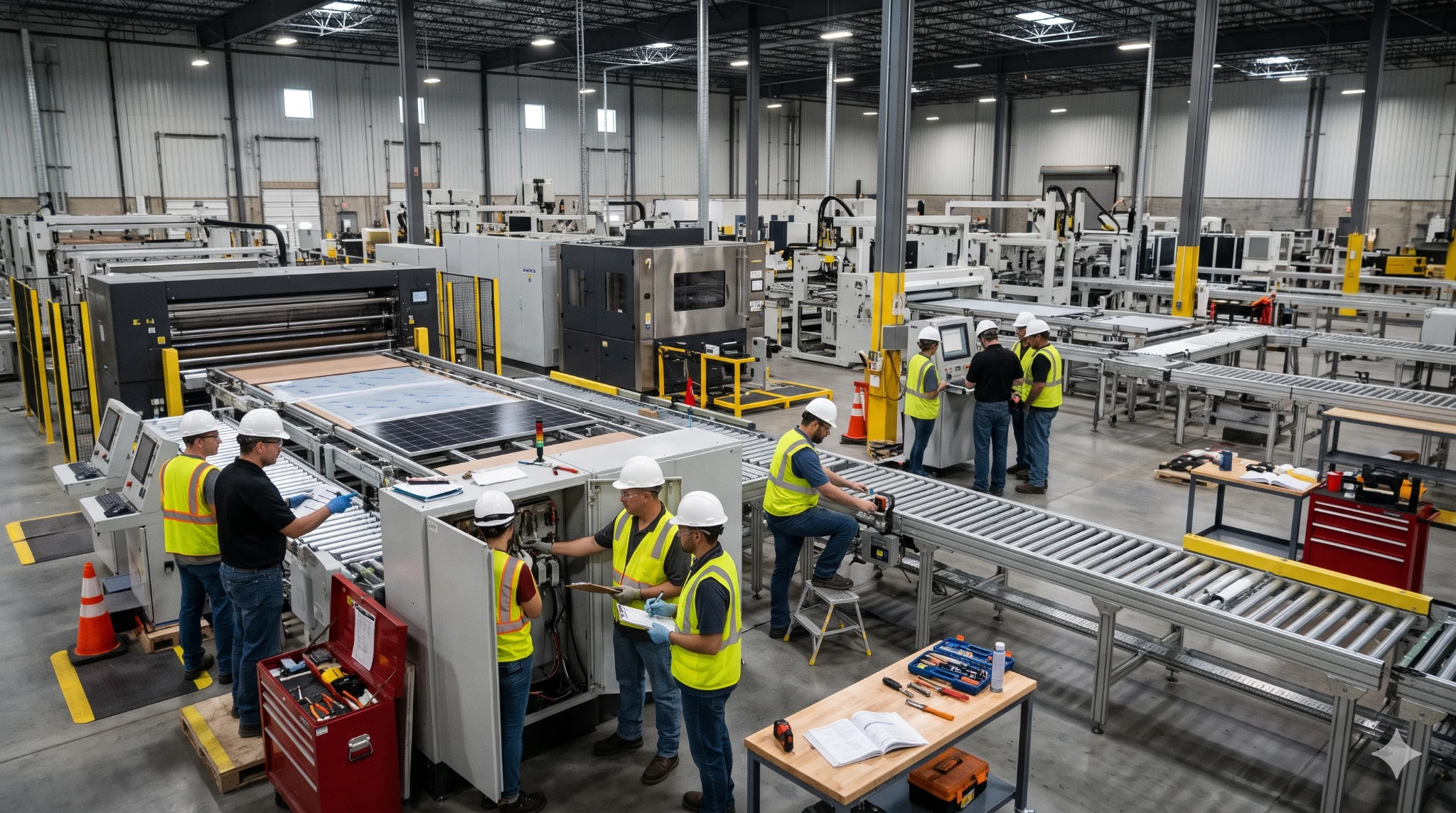
Expansion needs more than equipment. It requires the wider capability to turn capacity into reliable customer value.
Read article →
Growth becomes fragile when commercial promises and technical delivery are governed by different assumptions, incentives and definitions of value.
Read article →
Information and accountability often break at functional handoffs. Mapping these transitions can reveal the hidden causes of delay, rework and margin leakage.
Read article →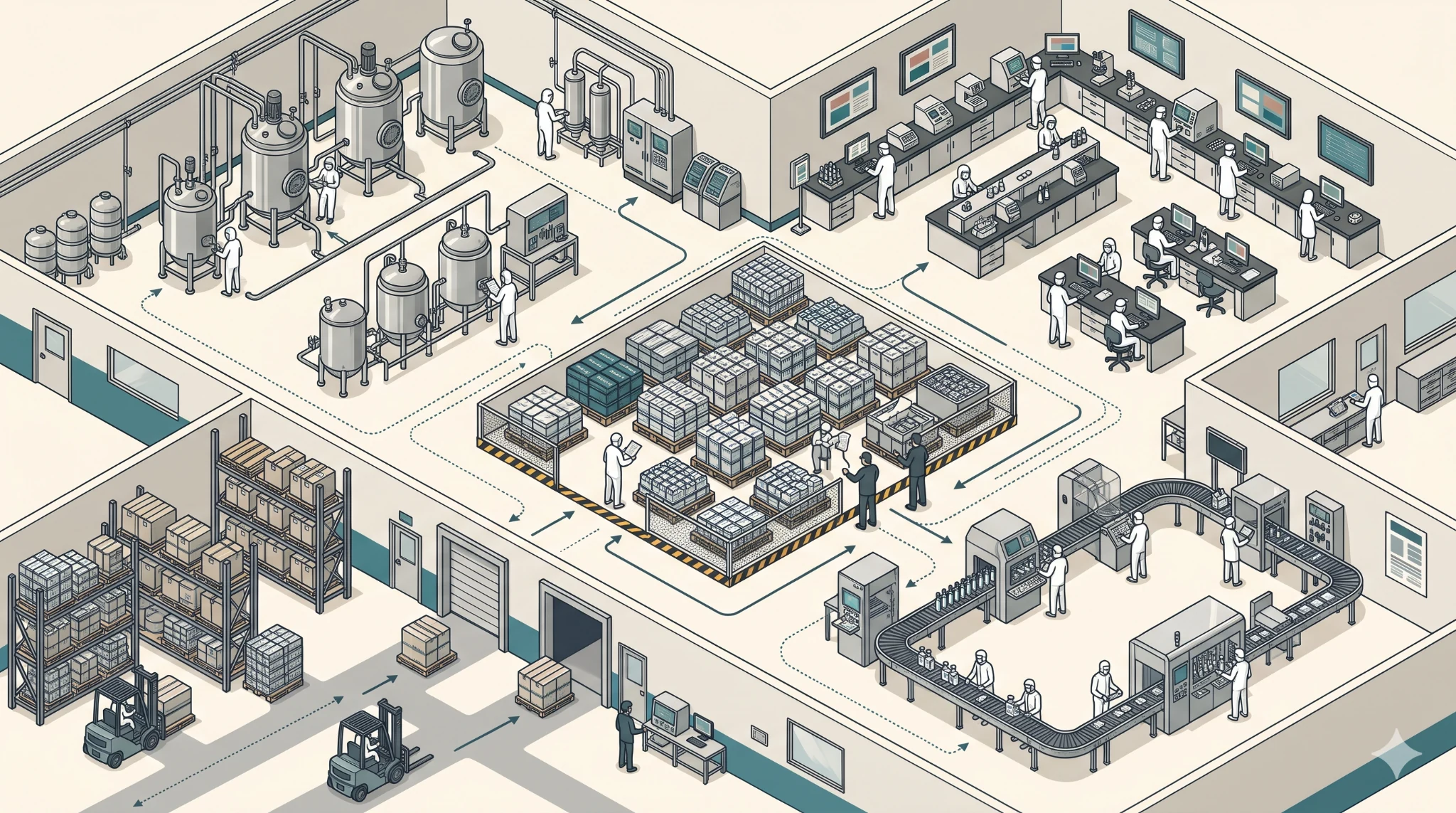
Excellent functions can still produce poor enterprise outcomes when their incentives, decisions and handoffs are not designed to work together.
Read article →