
Why Focus Can Produce Disproportionate Returns
Focus can deepen knowledge and capability faster than spreading scarce resources across a much larger market.
Read article →Strategy
Why differentiation isn't enough, and how technology cements lasting business advantage in competitive markets.
Focus can deepen knowledge and capability faster than spreading scarce resources across a much larger market.
Read article →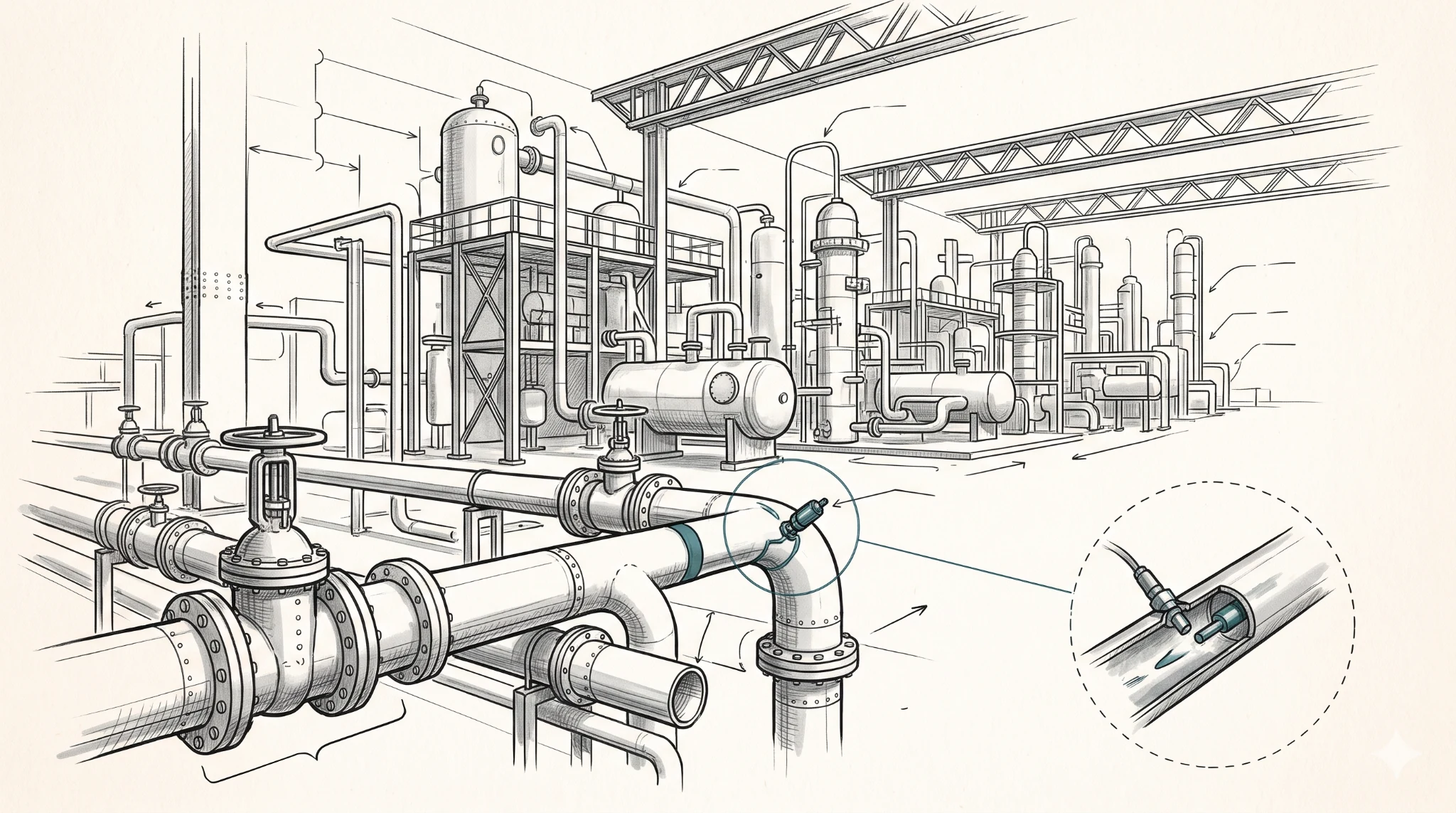
A supplier can create disproportionate value by solving an overlooked problem at a critical point in the customer's wider value chain.
Read article →
Constraints can shape a focused business model when leaders design around limited capital, capacity and market access.
Read article →
A challenger should look beyond visible competitor weaknesses to the constraints embedded in an incumbent's economics, customers and operating model.
Read article →
A smaller business wins by choosing where its focus, speed or specialisation matters more than an incumbent's scale.
Read article →
Every product, feature and adjacent offering consumes scarce capability. Choosing what not to build protects focus and strengthens the offers that matter most.
Read article →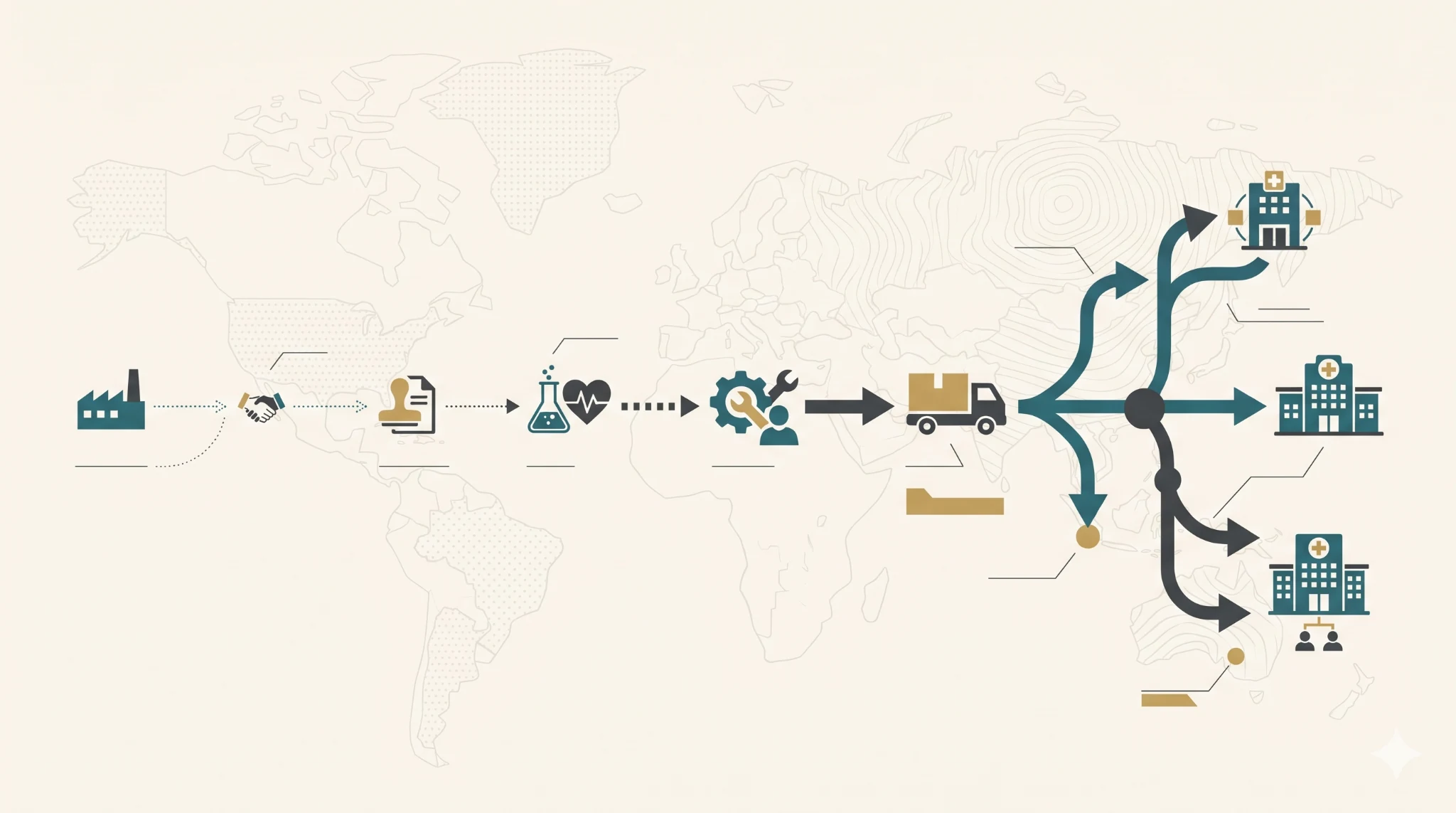
Treat market entry as staged learning: establish access, validate demand, prove delivery and increase investment as evidence improves.
Read article →
A challenger does not need to compete across every dimension. It needs to choose a market position where its distinctive strengths matter more.
Read article →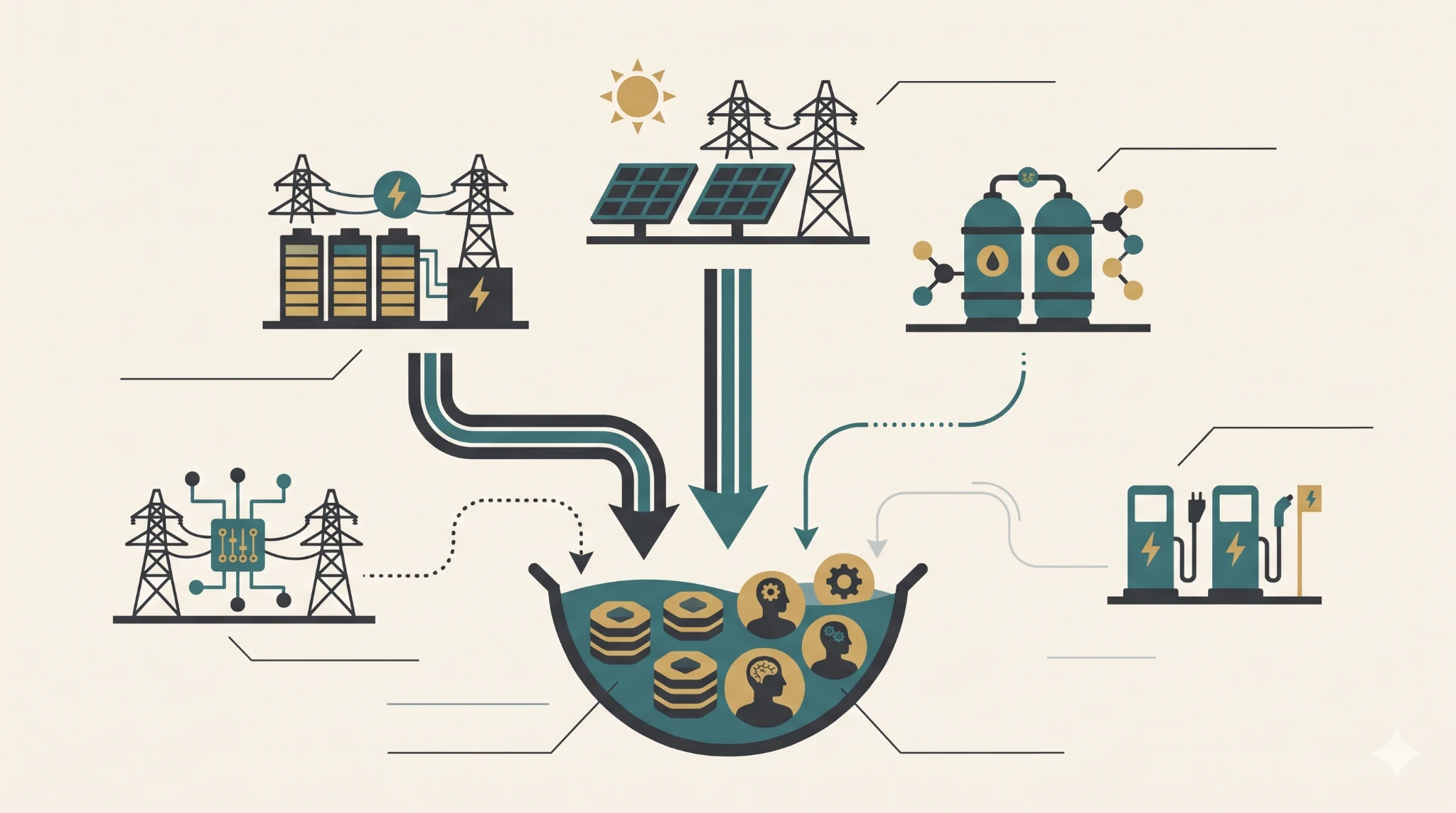
Adjacent markets can look attractive, but each one consumes capital, attention and capability. The real decision is what the business gives up by pursuing it.
Read article →
A growth target states an ambition. Strategy begins by identifying the central challenge that determines whether the ambition can be achieved.
Read article →
A price war tests whether a business has a defensible economic position or only a temporary advantage that disappears when competitors cut prices.
Read article →
Deep customer relationships can create defensibility, but revenue concentration can also transfer bargaining power and strategic risk to a few buyers.
Read article →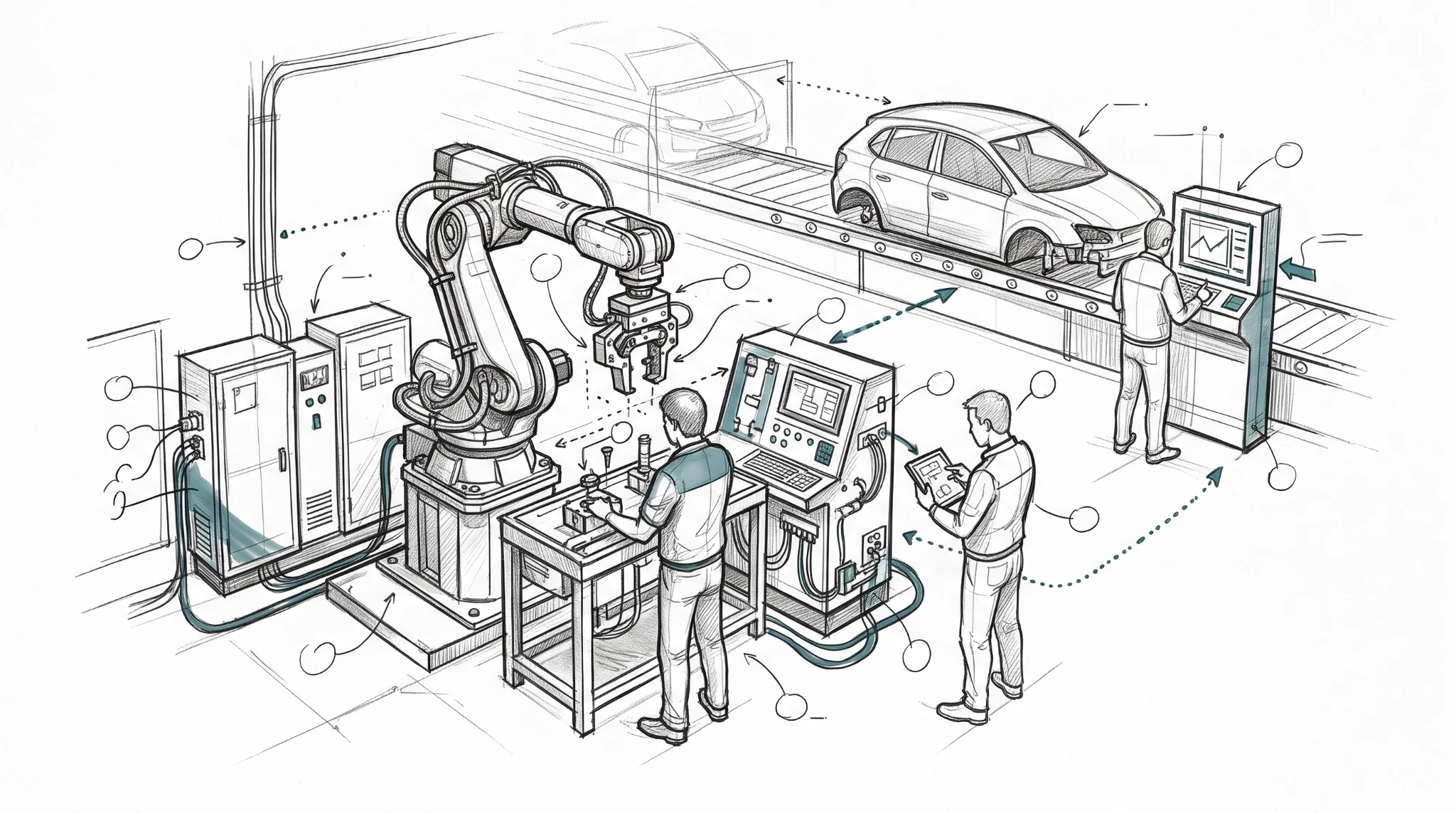
Switching costs can emerge from integration, qualification, accumulated knowledge and continuity—but only when the relationship creates genuine customer value.
Read article →
A supplier becomes difficult to replace when changing providers creates meaningful economic, operational or risk consequences for the customer.
Read article →
A superior product can win attention and early customers. A durable position requires a mechanism that protects customer preference and economic value.
Read article →